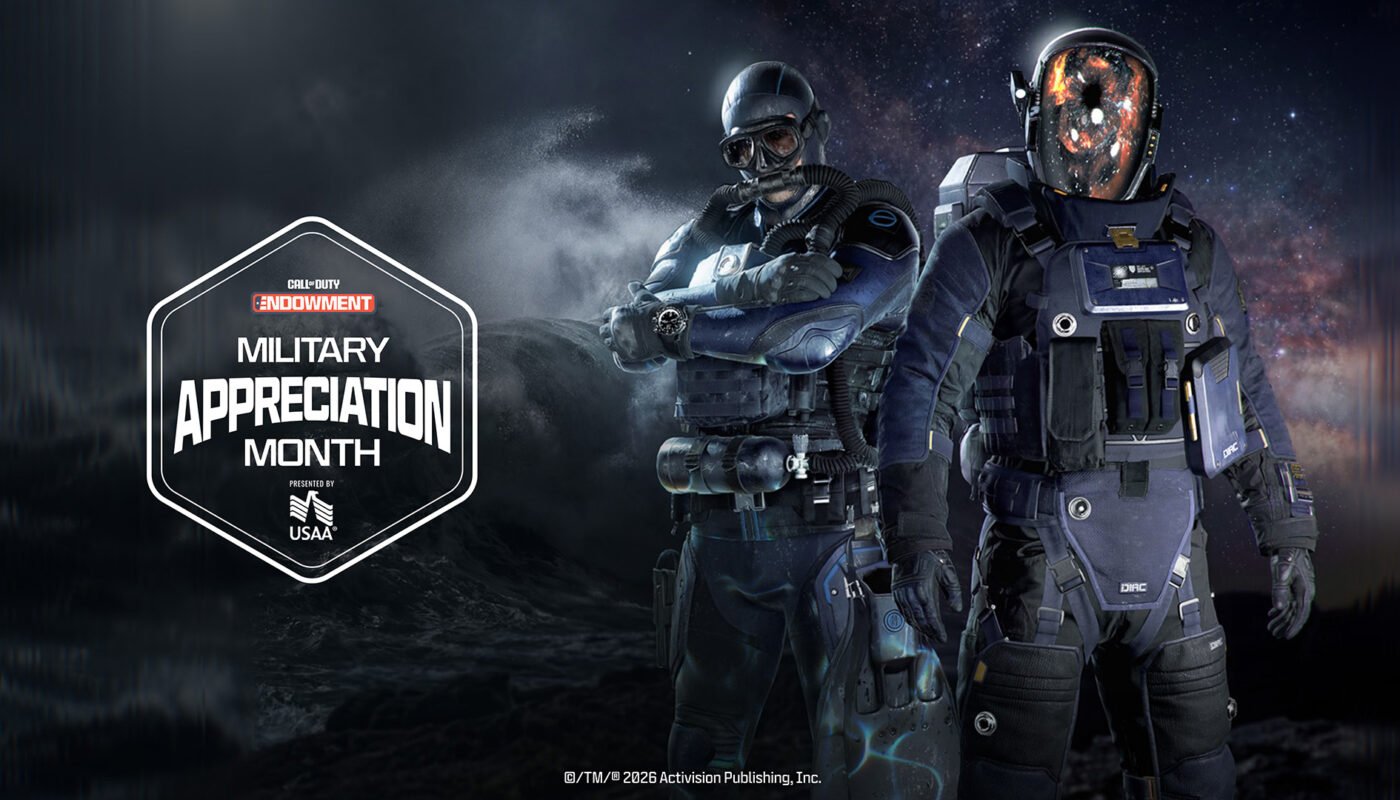
Understanding Military Appreciation Month
Military Appreciation Month is an annual observance dedicated to recognizing and honoring the sacrifices made by service members of the United States Armed Forces. This month is observed in May, a time when the nation comes together to express gratitude for the dedication and courage exhibited by those who have defended freedom and integrity. Established to promote awareness about the importance of military service, it serves as a pivotal reminder of the commitments made by both veterans and those currently serving.
The origins of Military Appreciation Month can be traced back to a formal proclamation by President Gerald Ford in 1979, which designated May as a month to express appreciation for the military. However, it wasn’t until a 1999 consolidation of various military observances, including Armed Forces Day and Memorial Day, that it gained its current form. The designation not only encourages citizens to recognize military sacrifices but also inspires various activities and events across the nation.
During Military Appreciation Month, numerous activities take place to celebrate and support military personnel. These events range from parades and public ceremonies to educational programs aimed at increasing awareness about the history and contributions of the armed forces. Such initiatives provide an opportunity for the community to come together, fostering a bond between civilians and those who serve. Local businesses and organizations often extend their support through special discounts and promotions for veterans and active-duty service members, reinforcing the respect and solidarity society holds for their contributions.
Furthermore, Military Appreciation Month fosters an environment of gratitude and reflection within the community. It draws attention to the challenges faced by service members and their families, such as transitioning to civilian life and overcoming the hardships associated with deployment. Overall, this month is a significant period dedicated to honoring the commitment of those who have served and continue to serve, ensuring that their sacrifices are acknowledged and remembered.
The Call of Duty Endowment: Mission and Goals
The Call of Duty Endowment (CoDE) is a non-profit organization founded in 2009, aimed at supporting veterans in their pursuit of successful employment after military service. Its primary mission is to help veterans secure high-quality jobs, enabling them to smoothly transition from military to civilian life. This mission is crucial, as many veterans face significant challenges in the job market, including translating their military experience into civilian job skills, overcoming stigma, and navigating the complexities of employment opportunities.
CoDE works diligently to ensure that the men and women who have served their country have access to the resources necessary for achieving meaningful employment. To accomplish this, the organization focuses on two main objectives: funding veteran service organizations that promote job placement, and empowering veterans through extensive training and support programs. By providing financial grants to vetted organizations, CoDE enhances their ability to serve the veteran community effectively, ensuring that they tailor their training programs to meet the specific needs of veterans.
Moreover, the Call of Duty Endowment partners with various private-sector companies and other non-profit organizations to create comprehensive pathways to employment for veterans. These partnerships not only extend the reach of CoDE’s impact but also foster collaboration across sectors to maximize resources and support available to veterans. By raising awareness and advocating for veteran employment, CoDE aims to influence policy changes that improve job opportunities for service members transitioning to civilian roles.
In recognizing the sacrifice and dedication of veterans, the Call of Duty Endowment emphasizes the importance of supporting their successful reintegration into society. Through its initiatives, CoDE not only aids veterans in finding jobs but also strives to reshape perceptions about their capabilities in the workforce, ultimately contributing to a more affluent and inclusive society.
The Role of USAA in Supporting Veterans
The United Services Automobile Association, commonly known as USAA, has a long-standing commitment to serving the military community, particularly veterans and their families. With a range of financial services and resources tailored specifically for those who have served in the armed forces, USAA plays a pivotal role in enhancing the lives of countless veterans.
One of the primary contributions of USAA to the military community is through its array of financial products, including insurance, banking, and investment services. These offerings are designed to provide financial stability and security to veterans, acknowledging the unique challenges they may face during and after their service. For instance, USAA offers specialized auto and home insurance policies that take into account the specific needs of military personnel.
Moreover, USAA is deeply involved in initiatives that promote the well-being of veterans and their families. During Military Appreciation Month, USAA increases its outreach by highlighting programs that support transitioning service members. Programs such as USAA’s Military Scholars Program and its partnerships with organizations like the Call of Duty Endowment aim to provide educational resources and job placement assistance for veterans, ensuring they have the support necessary to reintegrate into civilian life.
In addition to financial services, USAA actively participates in community events that honor military families. These initiatives not only help to raise awareness about the challenges facing veterans but also build a community of support. Events such as the USAA-sponsored Military Family Appreciation Day serve to connect military families with valuable resources and services, further solidifying USAA’s dedication to their well-being.
Through its financial products and extensive community initiatives, USAA exemplifies a strong commitment to supporting veterans. Their comprehensive approach ensures that veterans and their families have access to the essential resources they need, contributing significantly to their successful transition into civilian life.
Veteran Employment: Challenges and Opportunities
The transition from military service to civilian employment can be fraught with challenges for veterans. Many face a range of obstacles that make re-entering the workforce a complex process. One significant challenge is the translation of military skills into civilian job qualifications; service members often possess valuable skills that are not easily recognized by potential employers. Additionally, the cultural shift from a highly structured military environment to the more fluid and often ambiguous civilian sectors can lead to uncertainty and anxiety.
Moreover, veterans may experience gaps in their resumes due to deployment or military training, which can raise concerns for hiring managers about their fit for civilian roles. Mental health issues, such as PTSD, also complicate their transition and can impact a veteran’s ability to secure and maintain employment. Furthermore, some veterans might feel disconnected from the civilian workforce, lacking access to professional networks that could aid in their job search.
Despite these challenges, there are numerous opportunities available to veterans in the job market. Many sectors actively seek to hire veterans, recognizing their leadership aptitude, resilience, and commitment. Organizations and companies increasingly value the unique perspectives that veterans bring, leading to initiatives aimed at integrating them into the workforce. Programs designed to assist veterans include career fairs, mentorship opportunities, and job training programs tailored specifically to address their needs.
Initiatives like the Call of Duty Endowment play a crucial role in addressing the barriers that veterans face. This program provides funding for organizations that help veterans secure high-quality jobs and offers resources for job training and placement. By bridging the gap between military and civilian careers, the Call of Duty Endowment not only aids veterans in their transition but also brings attention to the importance of veteran employment. Through such initiatives, veterans can find meaningful work and contribute their skills to civilian life, fostering a successful transition into the workforce.
Success Stories: Veterans Benefiting from the Endowment
The Call of Duty Endowment (CODE) has had a transformative impact on the lives of numerous veterans, offering them invaluable resources as they transition into civilian employment. Through various programs and workshops, the Endowment provides veterans with the tools necessary to navigate the complex job market. Many success stories illustrate how these initiatives have facilitated a smoother transition and enhanced employment opportunities for veterans.
One remarkable success story is that of James, a former Army sergeant who faced significant challenges in securing stable employment after his service. Through the CODE’s partnership with a local nonprofit organization, James attended a series of resume workshops specifically designed for veterans. Not only did he learn how to translate his military skills into language appealing to civilian employers, but he also gained essential interview techniques. As a result, James secured a position with a prominent logistics company, allowing him to support his family and regain a sense of purpose.
Another inspiring individual is Maria, a Navy veteran who participated in a CODE-sponsored training program focused on technology skills. Recognizing the importance of digital literacy in today’s job market, the program offered her hands-on experience in coding and software development. This experience was pivotal, leading Maria to land a job as a software analyst at a renowned tech firm. Her story resonates with many veterans who may find themselves questioning their place in a rapidly evolving workforce.
These examples underscore the effectiveness of the Call of Duty Endowment’s initiatives in supporting veterans’ journey towards employment. By offering tailored workshops and resources, the Endowment not only helps veterans build their resumes and acquire new skills but also fosters a sense of community and support that is invaluable during their transitions. As more veterans leverage these opportunities, the positive impact of CODE continues to grow, highlighting the vital role it plays in promoting veteran employment and reintegration into civilian life.
Community Involvement: How to Participate in Military Appreciation Month
Military Appreciation Month provides a unique opportunity for individuals and organizations to show support for veterans and active service members. Engaging in community involvement can significantly enhance the appreciation shown during this month. Here are several effective ways to get involved.
Volunteerism is one of the most direct methods to make a difference. Local veterans’ organizations often look for volunteers to assist with various programs, from administrative support to event coordination. By dedicating your time and skills, you not only help these organizations but also gain insight into the challenges faced by veterans. Websites such as VolunteerMatch can connect you with local organizations in need of assistance.
Another impactful way to show support is by promoting veteran-owned businesses. Use this month to explore and support local businesses run by veterans. This can involve making purchases, recommending these establishments to friends and family, or sharing their services on social media platforms to amplify their reach. Supporting veteran entrepreneurs not only helps them sustain their livelihoods but also fosters a sense of community and belonging.
Participating in community events dedicated to Military Appreciation Month is also essential. Many localities host parades, educational workshops, and fundraisers to honor military personnel. Attend these events to show solidarity and learn more about the sacrifices made by service members. Additionally, they provide opportunities to connect with fellow community members who share a passion for honoring veterans.
Furthermore, consider hosting your own events. This could range from a simple gathering that invites discussions about veteran issues to fundraising activities that support related causes. By spearheading localized efforts, you can customize the involvement level to best fit your community’s interests and needs.
In conclusion, Military Appreciation Month is a chance not only to honor those who served but also to foster community spirit through active involvement. Whether it’s through volunteering, supporting veteran-owned enterprises, or engaging in local events, each action contributes to a broader commitment to recognizing and appreciating military service.
The Impact of Gaming on Veteran Support Initiatives
In recent years, the role of gaming organizations and communities in supporting veterans has become increasingly prominent. The Call of Duty franchise, known for its immersive experiences centered around military action, has taken significant strides to assist veterans through various initiatives. This involvement not only highlights the game’s popularity but also the potential of gaming communities to unite for a noble cause.
The Call of Duty Endowment (CODE) is a prime example of how gaming can contribute positively to veteran support. Founded in 2009, CODE aims to help veterans find high-quality jobs. Its mission aligns closely with the principles of community engagement seen in gaming. The endowment has successfully raised millions of dollars, with funds directly benefiting organizations that provide essential resources and job placement services to veterans. Through partnerships with professional gamers, streamers, and the broader gaming community, CODE amplifies awareness about the challenges veterans face when transitioning to civilian life.
Moreover, gaming communities have the unique advantage of combining entertainment with advocacy. Events such as charity tournaments and livestreams not only entertain millions of players and fans but also serve as platforms for raising money and promoting veteran-related causes. The engagement level seen in these settings often translates into significant financial contributions, showcasing the capacity of gaming to create real-world change.
In addition to fundraising, gaming organizations can spotlight the stories of veterans, fostering understanding and empathy. By integrating narratives of veterans into game content, developers can humanize their experiences, thereby encouraging players to support various initiatives. This form of storytelling emphasizes the bond between gaming and advocacy and represents a powerful tool for engaging a large audience in meaningful discussions surrounding veteran support.
Ultimately, the relationship between gaming organizations and veteran support initiatives demonstrates that entertainment can play a crucial role in addressing social issues. By leveraging their platforms, gaming communities can significantly impact veterans’ lives, ensuring they receive the support they deserve while fostering a culture of appreciation and respect within the gaming world.
Promoting Awareness: Social Media Campaigns for Veterans
Social media has emerged as a powerful tool for promoting awareness about various causes, including military appreciation and veteran employment initiatives. Its ability to reach vast audiences and engage users in real-time makes it an effective platform for not only spreading information but also rallying support for veterans. The Call of Duty Endowment, a non-profit organization founded by Activision Blizzard, has successfully harnessed this potential through numerous social media campaigns aimed at raising funds and providing support for veterans seeking employment.
A notable campaign, the #CODEndowmentChallenge, encouraged participants to share their personal stories related to military service, creating a platform for collective sharing and support. By using the game’s popularity, this campaign effectively amplified the message of honoring veterans and the importance of their transition into civilian careers. Through engaging content, such as videos showcasing veterans’ success stories, the Call of Duty Endowment was able to create a community around the message of support and appreciation.
Alongside the Call of Duty Endowment, USAA has also launched impactful social media campaigns that resonate with both veterans and their families. The #USAAforVets campaign highlighted the significance of community support for military families, encouraging users to participate by sharing their experiences and tagging friends. This campaign not only raised awareness but also educated the broader public about the realities faced by veterans, fostering empathy and organic support from new audiences.
Both organizations have demonstrated that social media can serve as a catalyst for change, effectively using platforms to connect with individuals, raise awareness, and ultimately provide resources to veterans. The engagement received through likes, shares, and comments showcases the public’s willingness to support these initiatives. In conclusion, successful social media campaigns by the Call of Duty Endowment and USAA illustrate the significant role social media plays in promoting military appreciation and veteran employment initiatives, paving the way for sustained support and awareness in the community.
Looking Ahead: Future Initiatives for Veteran Support
As the landscape for veteran support continues to evolve, the Call of Duty Endowment (CODE) and USAA are likely to pursue new initiatives and programs aimed at enhancing opportunities for veterans. One emerging trend is the increased focus on mental health support tailored specifically for those transitioning from military to civilian life. This could involve partnerships with mental health organizations to develop resources that address the unique challenges faced by veterans, fostering a holistic approach to their well-being.
In addition, the integration of technology stands out as a critical area for future programs. The rise of telehealth services has transformed how veterans access medical care and psychological support, making it essential for organizations like CODE and USAA to explore innovative solutions. Programs that leverage virtual reality therapy, for instance, could become a focal point, helping veterans work through trauma in immersive environments that promote healing.
Another initiative may focus on education and training, guided by the changing dynamics of the job market. As industries place greater emphasis on digital skills, there could be a concerted effort to provide veterans with training in areas like coding, cybersecurity, and data analysis. These skills are increasingly valuable in the workplace, and initiatives that bridge the gap between military experience and civilian job requirements may prove advantageous.
Community involvement is also poised to play a pivotal role in shaping future veteran support efforts. Encouraging local businesses to engage with veterans through hiring initiatives, mentorship programs, and community outreach could strengthen the bond between veterans and their communities. CODE, alongside USAA, could lead collective efforts to foster a supportive atmosphere, affirming the value of veterans in the workforce.
Ultimately, as the Call of Duty Endowment and USAA explore future initiatives, a comprehensive strategy that encompasses mental health, technology, education, and community involvement will likely emerge as a hallmark of their commitment to veterans’ success. This multifaceted approach not only addresses the immediate needs of veterans but also sets a foundation for sustainable support in the years to come.