Introduction to Call of Duty Black Ops
The Call of Duty franchise has established itself as a monumental presence in the world of video games, particularly within the first-person shooter genre. Since its inception in 2003, Call of Duty has evolved dramatically, with various titles exploring different historical contexts and gameplay mechanics. Among these, the Black Ops series stands out, capturing the attention of gamers globally with its rich narrative and dynamic multiplayer experiences.
Initially released in 2010, Call of Duty: Black Ops introduced players to a gripping storyline set during the Cold War, complete with a blend of historical events and fictional scenarios. This particular entry not only set the tone for future installments but also solidified the franchise’s reputation for delivering high-quality, engaging gameplay. With each subsequent release, the series has expanded its lore and gameplay features, enhancing both single-player campaigns and multiplayer modes to keep players invested.
The impact of Black Ops on the first-person shooter genre cannot be overstated. It contributed significantly to the development of online play and competitive gaming, influencing other titles and encouraging an evolution of multiplayer experiences. The series’ innovative features, such as unlockable weapons and prestige systems, have not only encouraged player engagement but also fostered an enthusiastic community. As the anticipation grows for the next installment in the Black Ops series, excitement throughout the gaming community is palpable, reflecting the franchise’s lasting influence and ongoing relevance in modern gaming.
In this blog post, we will delve deeper into what makes the Black Ops series compelling, examining its evolution, gameplay mechanics, and the excitement surrounding its upcoming launch. Fans and newcomers alike are eager to explore the full scope of progression and prestige in the latest release, signaling how integral this series has become in defining the future of first-person shooters.
Exploring Full Progression Systems
The Black Ops series within the Call of Duty franchise offers a robust and intricate progression system that is integral to enhancing player experience. Full progression in this context refers to the process of leveling up, unlocking various equipment and perks, and adopting strategic gameplay elements to maximize an individual’s potential on the battlefield.
As players engage with the game, they progress through a leveling system that allows them to gain experience points (XP). This experience contributes significantly to their overall level, which, in turn, unlocks a wide array of weapons, perks, and attachments. Each level achieved is a milestone that not only provides tangible rewards but also contributes to a deeper understanding of gameplay mechanics and strategies.
Unlocking weapons is one of the most significant aspects of the progression system. Players can customize their loadouts by choosing weapons that align with their individual playstyles. As one advances through the levels, additional weaponry becomes accessible, each with unique attributes and advantages. Similarly, perks—special abilities that enhance gameplay—also become available as players level up. Choosing the right combination of perks can provide a strategic edge in combat situations, so it’s important to consider how they fit into overall gameplay strategies.
Attachments further enhance weapon performance, allowing toggling of stats like recoil, accuracy, and damage. As players explore the attachments system, they can tailor their weapons to meet specific combat scenarios, thereby refining their approach to each match. Balancing personal progression with team objectives adds another layer of strategy, making it essential for players to manage their development effectively.
In conclusion, the full progression systems in Black Ops games go beyond mere leveling. They encompass a broad array of strategic elements that require players to thoughtfully manage their choices in weapons, perks, and attachments as they strive for mastery in the intense combat environments the series is known for.
Understanding Prestige Rankings
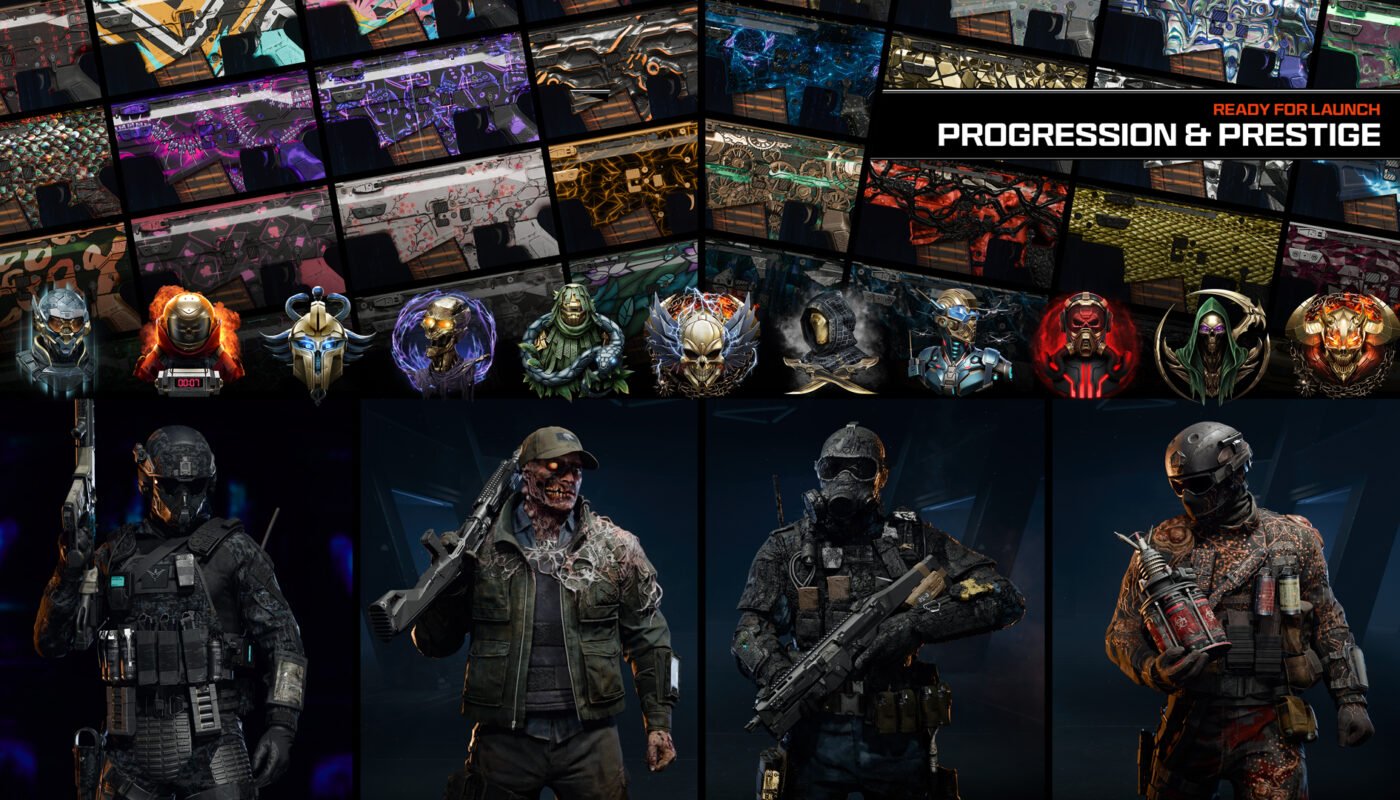
Prestige in Call of Duty Black Ops is a hallmark that signifies a player’s commitment and skill within the game. Originally introduced in the earlier titles of the franchise, the prestige system has evolved to include numerous levels across different iterations of the game. Prestige levels serve as a measure of a player’s experience, showcasing their achievements and providing a sense of accomplishment as they advance through the ranks.
The concept of prestige captures a player’s journey from novice to expert, where each level attained not only reflects their time spent within the game but also the effort and skill they have developed. In Black Ops, players can advance through multiple prestige levels, typically culminating in a much higher level cap than the non-prestige players, offering unique challenges and proving grounds along the way.
Reaching a higher prestige rank comes with a variety of rewards, ranging from unique emblems and titles to exclusive in-game items. These rewards are designed to recognize a player’s hard work and dedication. Additionally, with each prestige, players often encounter new challenges, pushing them to adapt their strategies and gameplay styles. This evolution keeps the games fresh and engaging, enticing gamers to continue competing and improving their skills.
Prestige ranks also play a crucial role in the community aspect of Call of Duty. Higher-ranking players often gain visibility in the gaming community, which can lead to the formation of squads or teams that capitalize on each member’s skill set. This creates camaraderie and promotes cooperative play, elevating the overall gaming experience for players of all levels.
Understanding prestige rankings in Call of Duty Black Ops adds an enriching layer to the game’s experience, highlighting the dedication required to excel while fostering community engagement and competition.
Game Mechanics and Features
The intricate mechanics and diverse features of the Black Ops series significantly enhance the gaming experience for players. One of the cornerstone elements is the variety of gameplay modes available. Players can engage in campaign, multiplayer, and zombie modes, ensuring a rich and diverse gaming experience for both solo and team-oriented play. These modes cater to various player preferences, whether they enjoy storytelling or competitive multiplayer action.
Weapon customization is another critical feature that defines the Black Ops franchise. Players can modify their weapons to suit their unique playing styles through a comprehensive gunsmithing system. This allows adjustments to range, accuracy, and fire rate, empowering players to create a tailored arsenal. The depth of this system encourages experimentation, enabling players to discover the most effective combinations for their strategies.
Moreover, multiplayer dynamics play a pivotal role in how players interact within the game. Black Ops introduces various maps, each with unique layouts and environmental aspects. This variation not only influences gameplay tactics but also enhances the competitive atmosphere. Players can employ strategic planning, such as coordinating with team members, to gain advantages over opponents. As players navigate these maps, they are encouraged to leverage the environment, using cover and verticality to their benefit.
The combination of these mechanics contributes to the core appeal of Black Ops. The precise weapon dynamics, engaging gameplay modes, and distinctive maps create a rewarding environment, promoting full progression and prestige. Whether you’re honing your skills in a past expedition or striving for mastery in the latest installment, understanding these mechanics is essential for anyone aiming to excel in the Call of Duty universe. As players dive deeper into these intricacies, they can better appreciate the multifaceted layers that contribute to the overall enjoyment and replayability of the game.
The Role of Competitive Play
Competitive play in the Black Ops series of Call of Duty serves as a vital component of the game’s appeal and longevity within the esports community. As players seek to hone their skills and achieve mastery, the mechanics of full progression and prestige become essential elements influencing their journey. Full progression, characterized by leveling up and unlocking a plethora of weapons and equipment, allows players to customize their gameplay style, which can play a decisive role in competitive settings.
Prestige ranks represent a significant milestone in a player’s career, marking their dedication and experience within the game. Each time a player achieves prestige, they reset their overall rank, presenting an opportunity to earn rewards that can enhance their competitive edge. This cycle encourages a commitment to the game, fostering an environment where players are continually striving for improvement. Consequently, as players ascend through ranks, their competitive capabilities are often mirrored in their ability to perform effectively in tournament settings.
The influence of full progression and prestige cannot be overstated when considering competitive rankings. In established esports tournaments, teams often consist of players who have invested substantial time in achieving these ranks, as high-level players bring not only individual skill but also strategic comprehension that can be critical in high-stakes scenarios. These competitions spotlight the importance of adaptability and player synergy, highlighting how those with extensive gameplay experience tend to excel.
Moreover, the competitive landscape of Call of Duty is ever-evolving, where new mechanics and gaming strategies frequently emerge. Adaptation to these changes is crucial for players aiming to maintain their standing in the competitive scene. Therefore, full progression and prestige are not merely about external gains but are intertwined with developing a deeper understanding of the game that can lead to success against formidable opponents.
Community Feedback and Expectations
The gaming community has been abuzz with anticipation for the latest installment of the Call of Duty franchise, especially regarding the new Black Ops. As players delve into beta tests and consumer-focused previews, their feedback sheds light on what they hope to see in this upcoming release. Players have taken to various forums and social media platforms to discuss their expectations, creating an extensive tapestry of insights that reflect collective enthusiasm and criticisms.
One of the most prominent themes emerging from community discussions is the desire for rich storytelling combined with engaging gameplay. Fans are eager to experience a narrative that is both compelling and immersive, reminiscent of earlier titles in the Black Ops series. Players have voiced their hope for well-developed characters and intricate plots that enhance the overall gaming experience. Alongside storytelling, many fans have expressed a longing for a return to the series’ roots, including features such as classic maps from previous games that hold sentimental value.
Feedback from beta testing has also highlighted performance issues and gameplay balance, with players emphasizing the need for a smooth and fair experience. Many are advocating for robust anti-cheat measures to ensure fair play, as previous titles have been plagued by unfair advantages through hacking. The community’s input on weapon balance, game mechanics, and AI behavior has proven invaluable, as developers have been actively seeking player opinions to refine their product before the official launch.
Moreover, the trailers released thus far have sparked vigorous discussions, with fans analyzing every frame for clues about gameplay mechanics and new features. Speculation regarding multiplayer modes and customization options is rampant, further demonstrating players’ vested interest in the development of the game. The excitement surrounding the new Black Ops reveals the importance of community feedback in shaping the final product, ensuring that it meets the high expectations set by its predecessors.
Previous Installments and Lessons Learned
The Call of Duty franchise, particularly the Black Ops sub-series, has a rich history that offers valuable insights into player preferences and gameplay mechanics. Each installment has introduced unique features, narratives, and multiplayer experiences, contributing to a collective understanding of what resonates with gamers. Analyzing previous Black Ops games helps in recognizing strengths and weaknesses, shaping future iterations.
Starting with the original Black Ops, released in 2010, the game set a high bar with its compelling single-player campaign and innovative multiplayer modes. Players responded positively to its character-driven storytelling and cinematic presentation. However, criticisms arose around balancing issues in multiplayer, particularly regarding weapon effectiveness and map design. These lessons prompted subsequent developers to focus on refining gameplay mechanics in future releases.
Black Ops II took bold steps with its branching storylines and the introduction of pick-10 systems within its multiplayer framework. This installment was praised for its depth in player customization but received feedback on its matchmaking system, which many found to be less than optimal. Thus, the importance of player satisfaction in matchmaking became a guiding principle for future developments.
As we look at Black Ops III and IV, the advances in graphics and gameplay mechanics were noteworthy. However, the reception of Black Ops IV’s absence of a traditional campaign led to a polarized community response. This highlighted the need for a well-rounded offering that balances both multiplayer and single-player experiences. Player feedback regarding content delivery and seasonal updates also shaped the approach, ensuring that engagement remained a priority.
Through these various experiences and critiques, game developers have learned to prioritize player feedback, aiming for an engaging and balanced gaming experience. Each previous installment has offered lessons that directly influence the design, features, and overall direction of future titles within the Black Ops series, culminating in a more refined and enjoyable experience for players.
Comparative Analysis with Other FPS Games
In the realm of first-person shooters (FPS), player progression systems play a pivotal role in enhancing gameplay and player engagement. The Black Ops series, particularly noted for its unique approach to full progression and prestige, offers a distinctive experience when compared to other popular titles such as Battlefield and Apex Legends. Each of these games has crafted its own progression mechanics that cater to varying player preferences and gaming styles.
Black Ops sets itself apart with a detailed and structured progression system. Players advance through tiers of levels; upon reaching the maximum level, they can embark on prestigious ranks that not only reset their level but also grant exclusive rewards and recognition. This cycle encourages players to continuously invest their time and effort, fostering a strong sense of achievement. The prestige system in Black Ops is not merely a reset; it’s a badge of honor that symbolizes commitment and skill.
In contrast, Battlefield incorporates a more fluid progression system that features class-based leveling, allowing players to unlock various weapons and equipment as they play specific roles in matches. While it fosters specialization, the experience feels less personal compared to Black Ops since players are primarily rewarded for their performance in relation to the team rather than individual milestones.
Apex Legends, another significant player in the world of FPS games, employs a battle pass model where players progress through tiers by completing challenges and participating in seasonal content. This model emphasizes a competitive environment, but lacks the depth of personal achievement intrinsic to Black Ops’s prestige system, which rewards long-term dedication over a single season’s worth of gameplay.
In essence, while all three games provide unique avenues for player progression, Black Ops stands out due to its comprehensive approach that combines level advancement with a rewarding prestige mechanism. This blend not only enhances game longevity but also deepens player investment in their gaming journey. The nuanced distinctions between these games highlight the diverse strategies developers utilize to maintain player interest and engagement in the FPS genre.
Conclusion and Final Thoughts
As we approach the launch of the latest installment in the Black Ops series, it is essential to reflect on the key elements that define the player experience: the progression and prestige systems. Throughout this blog post, we have examined the various facets of these systems, uncovering their significance for both casual gamers and competitive players alike. The excitement surrounding the new Black Ops is palpable, as it promises to not only deliver thrilling gameplay but also intricate progression mechanics that enhance the overall experience.
Players can expect a robust progression system that rewards commitment and skill. Leveling up offers players opportunities to customize their loadouts, unlocking new weapons, perks, and equipment tailored to individual play styles. This level of customization fosters a sense of ownership over one’s gameplay, making every session feel unique and rewarding. Furthermore, the prestige system adds an additional layer of motivation, encouraging players to push beyond their limits and re-experience the game with new challenges.
For casual players, the progression and prestige systems serve as an effective means to engage with the game on their terms. These systems allow for a leisurely approach to leveling, letting players enjoy the content at their own pace while still moving towards milestone achievements. Conversely, competitive players will find these mechanics crucial in honing their skills, as they aim to maximize their growth and efficiency within the multiplayer landscape.
In conclusion, the interplay between progression and prestige in the latest Black Ops not only enhances the game’s depth but also significantly enriches the player experience. As we await the game’s release, the anticipation continues to build, highlighting the vital role these systems play in shaping the future of the Call of Duty franchise. Embracing the challenges posed by these mechanics will undoubtedly lead to countless hours of engaging gameplay, fostering a vibrant community of players dedicated to mastering the new Black Ops.