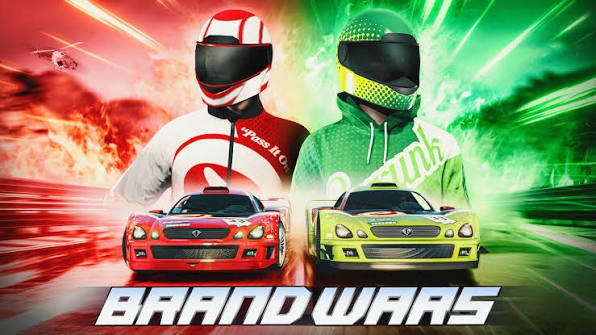
Introduction to the Brand Wars in Los Santos
The concept of Brand Wars in Los Santos represents a unique intersection of loyalty, corporate identity, and fierce rivalry within a metropolitan setting that is as chaotic as it is vibrant. This event encapsulates the ongoing struggle between various factions vying for dominance in a city that is characterized by its ever-evolving social dynamics. In Los Santos, allegiances are not merely a matter of personal choice; they are interwoven into the fabric of the community, influencing everything from everyday interactions to the broader landscape of power.
At the heart of these Brand Wars lies a competitive atmosphere that fuels ambition and drives individuals and organizations to stake their claims. The players in this arena range from burgeoning start-ups to established conglomerates, all attempting to carve out a niche amidst the cacophony of competing voices. Each faction utilizes a combination of marketing strategies, social influences, and tactical maneuvering to garner support from the citizens of Los Santos, showcasing the significance of brand loyalty in this context.
The stakes involved in these wars extend beyond mere economic gain; they encompass identities and lifestyles that resonate with the populace. The establishment of a powerful brand can enable a faction to not only dominate market shares but also shape cultural narratives and social norms. As we explore this intricate battleground further, it becomes evident that the Brand Wars in Los Santos serve as a reflection of the broader philosophical questions surrounding allegiance, ownership, and the pursuit of power. The implications of these dynamics are profound, offering insights into the psychological and sociological aspects that define the city.
Overview of the Factions in Los Santos
In the vibrant yet chaotic city of Los Santos, a plethora of factions compete for dominance, each with unique characteristics and ideologies that define their influence in the urban landscape. Understanding these factions is essential to comprehending the broader context of the Brand Wars rattling the city.
One prominent faction is the influential Families, a group deeply rooted in the city’s history and characterized by loyalty, tradition, and a strong sense of community. They are known for their tight-knit social structure and their commitment to maintaining territorial control while navigating the complex dynamics of urban life.
Contrastingly, the Bikers bring a different ethos to the table, prioritizing freedom and individualism above all else. This faction reflects the rebellious spirit prevalent in Los Santos, often clashing with other groups in pursuit of their own interests and redefining the notion of power in the process.
Meanwhile, the Corporations symbolize the business-oriented faction that seeks to exploit every opportunity for profit in Los Santos. They employ strategic marketing and resource allocation to gain dominion, often manipulating public perception and engaging in cutthroat rivalries to secure their place at the top.
Another key player in the Brand Wars are the Street Gangs, known for their transient nature and adaptability. Their influence can sway the balance of power, and their actions are often a reflection of the socio-economic realities faced by the city’s underprivileged population.
Lastly, the Government embodies the institutional authority within Los Santos, wielding its bureaucratic control to regulate and restrict the activities of the various factions in play. Their presence creates an intriguing juxtaposition against the more chaotic elements, adding another layer to the Brand Wars narrative.
As the city of Los Santos continues to evolve, understanding these factions and their motivations allows for deeper insight into the ongoing battle for power and dominance in this bustling metropolis.
Understanding Allegiance: What It Means in this Context
Allegiance in Los Santos is a multifaceted concept that plays a crucial role in shaping players’ experiences within the game. It encompasses the bonds formed between players and various in-game brands and factions, which ultimately influence strategy and interactions within the vibrant world of Los Santos. When players choose to align themselves with a specific faction, they not only determine their gameplay style but also the types of benefits and challenges they may encounter.
Choosing a side establishes a sense of identity and belonging. Players often find themselves gravitating towards particular factions that resonate with their gaming styles or personal values, such as loyalty to a particular brand or admiration for its standing in the competitive landscape. This allegiance can affect numerous aspects of gameplay, including access to exclusive missions, unique rewards, and specialized equipment. As a result, the choice of alliance can define a player’s potential in the game and tailor their personal narrative.
However, allegiance is not without its complications. Consequently, players may face opposition from rival factions, leading to conflict and strategic challenges. Engaging with enemy players may require adapting tactics and forming temporary coalitions, making it essential for players to remain flexible. Additionally, remaining loyal to a single faction can limit opportunities to experience the broader spectrum of gameplay available across Los Santos. Thus, players must weigh the benefits of loyalty against the strategic advantages of maintaining neutrality in the ongoing brand wars.
In summary, the concept of allegiance in Los Santos deeply impacts how players navigate the colorful dynamics of the game. By aligning with specific brands or factions, players not only craft their identity but also embark on a unique journey filled with distinct challenges and rewards. Understanding the implications of such affiliations is key for anyone looking to thrive in the competitive arenas of Los Santos.
The Dynamics of Power and Ownership in Brand Wars
In the intricate landscape of Brand Wars within Los Santos, power dynamics and ownership play a pivotal role in determining the fate of various factions. The territorial disputes that arise among these factions are not merely about physical space but also about resources, influence, and strategic supremacy. Each group seeks to claim and defend areas that provide them with vital access to resources necessary for their operations and growth.
Ownership in this context can be seen as a multifaceted concept. It encompasses the control of territories that serve as bases for operations, access to lucrative markets, and the management of valuable resources. Factions invest heavily in these areas, developing and fortifying them to enhance their defensive and offensive capabilities. The strategies employed to secure and maintain ownership are diverse, often involving alliances, negotiations, and outright conflict.
Players actively engage in these Brand Wars by employing various strategies to dynamically shift the balance of power. Some factions may choose to adopt a more aggressive stance, launching direct assaults to reclaim lost territory or expand their influence. Others might focus on stealth and subterfuge, using espionage to undermine rivals while consolidating their own power within the shadows. Resource management also becomes paramount, as control over supplies and income can significantly alter a faction’s ability to wage war or promote peace.
As players navigate this complex battlefield, the implications of their choices extend far beyond immediate gains. The management of territory affects long-term strategies, alliances are formed and fractured, and the delicate balance of influence can shift rapidly. Each decision can lead to a snowball effect, amplifying the consequences on all factions involved, thus shaping the overarching narrative of power and ownership in Los Santos.
Key Strategies for Navigating Brand Wars
In the volatile landscape of Brand Wars in Los Santos, players must adopt effective strategies to secure their position and thrive amidst fierce competition. Understanding the dynamics of alliances is crucial. Forming partnerships with other players can enhance your power and influence, allowing for more coordinated attacks against common rivals. Establishing trust and open communication will make these alliances more efficient, maximizing gains and reducing the risks of betrayal.
Engagement in combat is another essential aspect of success in Brand Wars. Players should develop combat skills and tactics tailored to their strengths. Leveraging the terrain, utilizing cover, and mastering weaponry can significantly increase one’s chances of victory in skirmishes. Additionally, preparing for battles by gathering intelligence on opponent tactics provides a competitive edge. Being aware of the strengths and weaknesses of rival brands can inform better tactical decisions during confrontations.
Resource management plays a pivotal role in determining the longevity and sustainability of a player’s brand in Los Santos. Players should prioritize the collection of in-game resources, which may include financial assets, weaponry, and unique items that enhance combat capability. Allocating these resources wisely, such as investing in defensive measures or advanced technologies, can drastically change the outcome of ongoing conflicts. Furthermore, understanding market trends and player behaviors allows for strategic planning in resource deployment.
Incorporating these strategies—building alliances, engaging effectively in combat, and managing resources—will empower players to advance their positions within the Brand Wars. Players who adapt their strategies to the ever-changing landscape of Los Santos will find themselves at a distinct advantage, capable of navigating the complexities of this digital warfare with greater ease and success.
Player Experiences: Stories from the Brand Wars
The Brand Wars in Los Santos have become a canvas for players to express their allegiance and rivalry through a plethora of experiences. Many participants have contributed their personal stories, highlighting the rollercoaster of emotions that accompany these intense in-game interactions. One player recounted their journey of beginning as a loyal supporter of a particular brand, driven by the thrilling narrative and community camaraderie. However, over time, as rival factions emerged, this player found themselves grappling with unexpected conflicts, forcing them to reassess their commitment.
Another participant described a particularly memorable raid where strategic partnerships were forged among players. This individual shared how teamwork was essential, illustrating how quick thinking and adaptability played pivotal roles in riding the waves of conflict. The adrenaline rush of confronting rival brands not only tested their gaming skills but also provided a sense of belonging within their team, fostering friendships that extended beyond the game.
Conversely, not all experiences during the Brand Wars were positive. One story highlighted a player who felt disillusioned after witnessing the destructive impacts of brand loyalty turn sour. This individual reflected on how the competitive nature sometimes escalated tensions, leading to toxic exchanges within the community. Such incidents faded the enjoyment of participation and served as a reminder of the importance of respect and mutual understanding among players.
These anecdotes collectively reveal the nuanced dynamics of the Brand Wars, where loyalty, conflict, and ownership intertwine. They provide a rich insight into what it means to navigate this vibrant, yet often tumultuous, cultural phenomenon in Los Santos. Through the highs and lows, players continue to find value in their experiences, shaping their identities within the ever-evolving landscape of this digital realm.
Impact of Brand Wars on Los Santos Culture
The Brand Wars event in Los Santos has undeniably reshaped the cultural and social landscape of the city. As competing brands vie for dominance, the impact extends beyond mere consumption; it influences identity, community interactions, and economic trends. Understanding how these elements intertwine provides insight into the broader implications of brand competition in urban environments.
At its core, the Brand Wars phenomenon has catalyzed a significant shift in social dynamics among the residents. People are increasingly aligning themselves with particular brands, forming a new social hierarchy based on consumer loyalty. This alignment fosters a sense of belonging, as individuals find common ground in their brand affiliations. Consequently, neighborhoods and social groups are becoming characterized not just by geographic ties but by shared consumer preferences, prompting a shift in community identity.
Moreover, the economic landscape of Los Santos has experienced transformative changes as a result of these brand competitions. Local businesses are adapting their strategies to keep up with the rapidly shifting consumer preferences driven by the larger brands. Additionally, the advent of pop-up shops and local collaborations arises as a response to the predominance of larger entities. This competition culminates in a dynamic market where innovation thrives, yet it might also marginalize smaller businesses that struggle to keep pace.
Furthermore, the Brand Wars reflect broader themes related to competition and consumerism—classic features of urban life. The constant battle between brands generates a culture that celebrates consumer choice, yet it also raises questions about the implications of such an environment. This competitive spirit often eclipses deeper social issues, urging considerations of access to resources and the values of community against the backdrop of rampant consumerism.
Overall, the Brand Wars in Los Santos illustrate a complex interaction between culture, economy, and personal identity. The resonance of these changes will likely continue to influence both the residents’ lives and the city’s identity, suggesting that the outcomes of this competition stretch far beyond the surface of consumer goods.
Future of Brand Wars: Speculations and Developments
The evolving landscape of Los Santos is a dynamic canvas where the Brand Wars continue to shape player experiences. As we look to the future, several potential developments could redefine these ongoing conflicts. One intriguing possibility is the introduction of new factions. As player communities grow and diversify, the emergence of new brands, each with unique strengths and weaknesses, seems inevitable. These factions could provide fresh narratives and gameplay mechanics, stimulating the competitive aspects of the Brand Wars.
Further, changes in gameplay mechanics may significantly influence how players engage with brand conflicts. The introduction of new technologies or systems could enhance the strategic depth of these interactions. For instance, a crafting system that allows players to customize and upgrade their brand assets could add layers of complexity, facilitating more personalized gameplay. Moreover, the integration of new environments or arenas for confrontations could shift players’ tactics, making battles more unpredictable and exciting.
Player preferences are also central to the future of the Brand Wars. As the community’s tastes evolve, the developers may respond by introducing features that align with these trends. For example, if role-playing elements become more favored, we might see brands associated with specific narratives or lifestyles that resonate deeply with players’ aspirations. This shift could cultivate a more immersive experience, encouraging players to invest emotionally in their chosen factions.
In conclusion, the future of the Brand Wars in Los Santos promises to be a blend of innovative factions, refined gameplay mechanics, and adaptive responses to player preferences. As these elements intertwine, they will undoubtedly transform how players experience and engage with the brand conflicts, creating an ever-evolving battleground in the heart of Los Santos.
Conclusion: The Significance of Making Your Choice
In the complex landscape of Los Santos, understanding the dynamics of the Brand Wars is crucial for players who wish to navigate this competitive environment effectively. The ongoing tug-of-war between various brands not only influences the economic climate of the city but also shapes player experiences and interactions. Each brand represents more than just a logos; it embodies a culture, a lifestyle, and a set of values that resonate with different players.
Your choice of brand allegiance can significantly affect your gameplay. Engaging with specific brands may unlock unique missions, provide opportunities for collaboration, or open up social connections with other like-minded players. Depending on the brand you support, you may find yourself embroiled in critical decisions that can alter the course of your journey in Los Santos. It highlights the importance of strategic brand affiliation in gaining advantages, securing exclusive rewards, and building a reputation within the community.
Furthermore, as the Brand Wars continue to evolve, it is essential for players to remain vigilant about the implications of their choices. Aligning with a brand may involve not only benefits but also responsibilities, as loyalty can often lead to conflicts with rival factions. Being aware of these dynamics assists players in making informed decisions that align with their personal goals and strategies, ensuring they are not merely passive participants in the ever-changing milieu of Los Santos.
Ultimately, the Brand Wars in Los Santos encapsulate a rich tapestry of engagement, competition, and opportunity. Players should take the time to evaluate their choices carefully, as these decisions play a foundational role in shaping their experiences and relationships within the game. By understanding the significance of the Brand Wars, players will be better prepared to carve out their own paths in this vibrant and challenging world.